Starting a blog can be exciting, filled with dreams of sharing your thoughts and ideas. However, as many bloggers soon discover, keeping it going can be tough.
You might feel eager to share your ideas at first, but it’s the consistency where many bloggers stumble.
Establishing a solid routine for your content creation is not just important; it’s essential for building a successful blog that resonates with readers and stands the test of time.
Finding Your Rhythm: The Importance of a Schedule
Setting a content creation schedule that works for you is vital.
Consider your daily routine and pinpoint the times when you feel most productive.
Perhaps you can carve out an hour each morning before the day gets busy, or maybe you prefer to dedicate an entire day each week to immerse yourself in writing.
The key is to find a rhythm that seamlessly fits into your life and stick to it.
Consistency breeds familiarity, both for you and your audience.
The Benefits of a Weekly Publishing Schedule
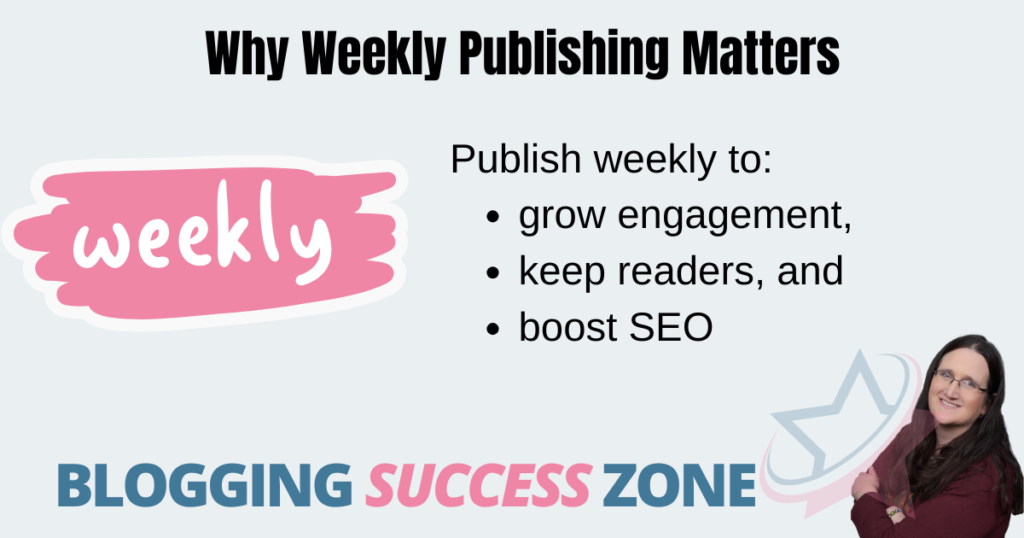
Publishing on a weekly basis can do wonders for your blog.
It not only keeps your readers engaged and coming back for more, but it also helps search engines index your site more effectively, leading to improved visibility.
Plus, having a regular publishing schedule gives you a steady goal to work towards, which can be incredibly motivating.
If you’re eager to delve deeper into strategies for maintaining consistency in your blogging journey, consider joining our free masterclass that focuses on just that!
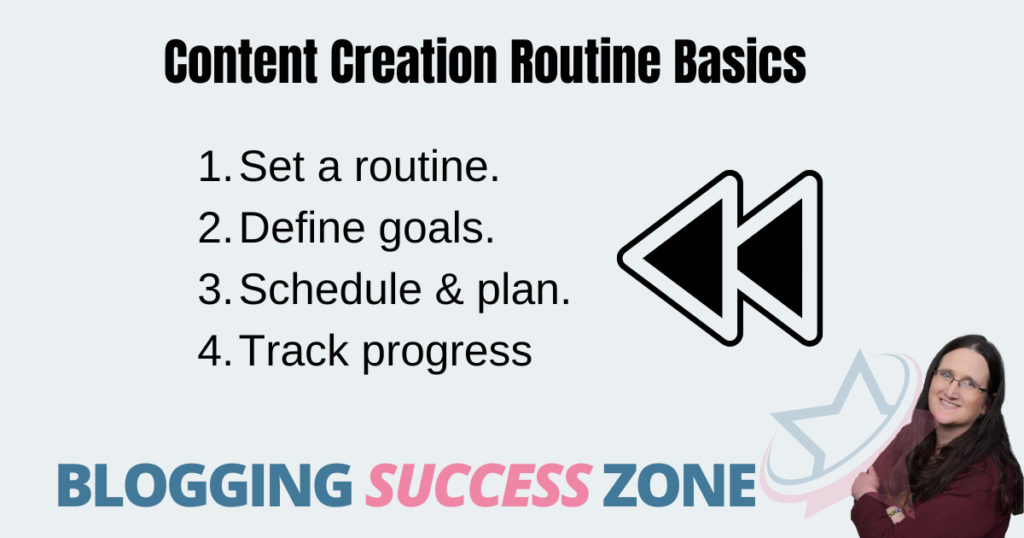
Setting a schedule that works for you is vital. Maybe you can write for an hour each morning, or perhaps you prefer to dedicate a whole day each week to creating content. The important thing is to find a rhythm that fits your life and stick to it.
Publishing weekly can do wonders for your blog. It keeps your readers coming back and helps search engines find your site more easily. Plus, it gives you a steady goal to work towards. Want to learn more about keeping your blog active and growing? Join our free masterclass on maintaining consistency in your blogging journey!
Key Takeaways
- Create a content routine that fits your lifestyle
- Publish weekly to keep readers engaged and improve
SEO - Join a free masterclass to boost your blogging consistency
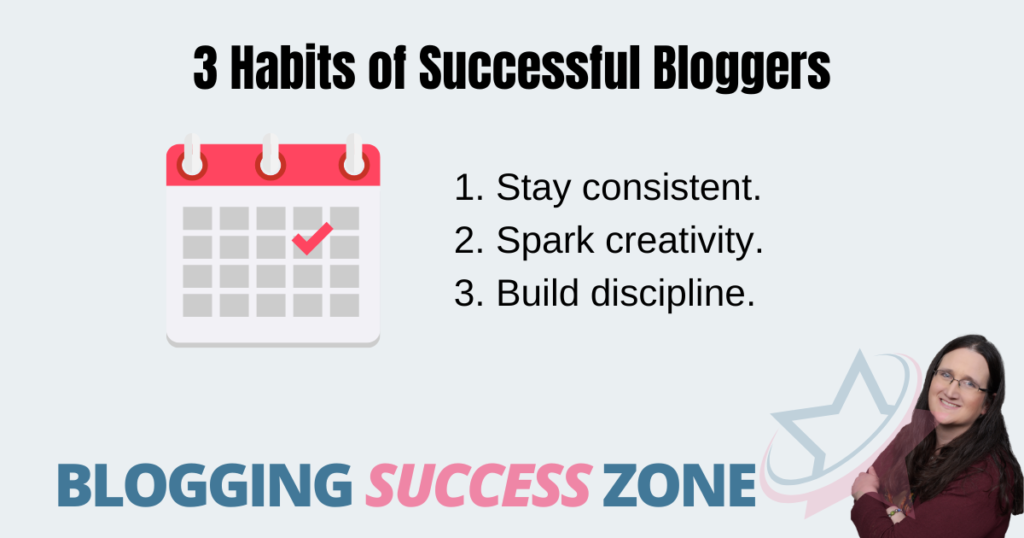
Crafting Your Content Compass
Your content compass serves as the guiding force behind your blogging journey.
It helps you stay on track, ensuring that you create content that resonates with your readers while aligning with your goals.
Let’s explore how to effectively set up your content compass.

Setting Clear Blogging Goals
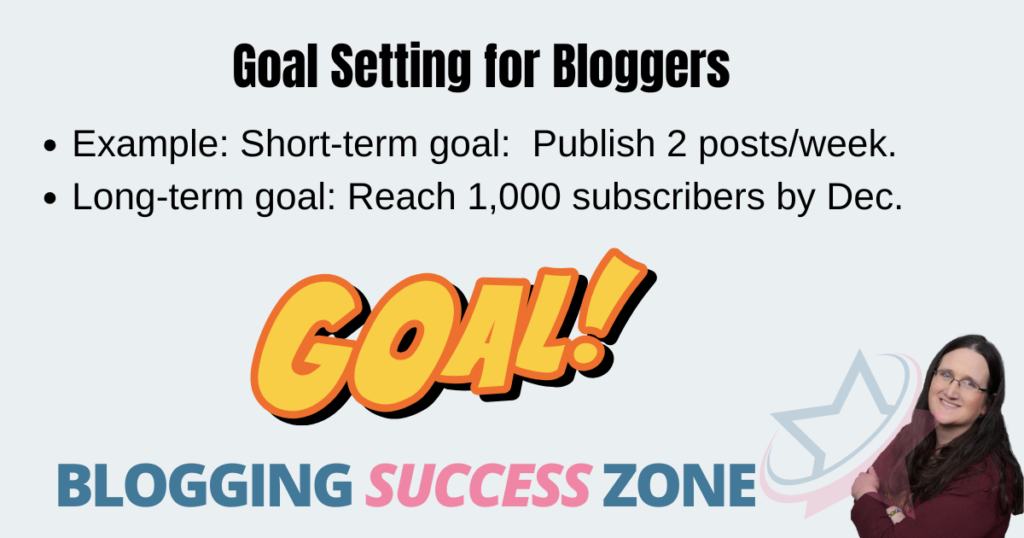
What do you want to achieve with your blog? Maybe you aim to educate, entertain, or inspire. Write down your goals. Be specific. Instead of “grow my blog,” try “reach 1,000 subscribers by December.”
Set both short-term and long-term goals.
- Short-term could be “publish two posts this week.”
- Long-term might be “become a go-to resource for beginner gardeners.”
Review your goals often. Adjust them as needed.
Celebrate your wins, big and small!
Understanding Your Audience
Who are you writing for? Get to know your readers.
Understanding your audience is pivotal in crafting content that truly resonates.
Take the time to get to know your readers better.
Create a simple survey to learn about their:
- Age
- Interests
- Challenges
- Goals
Crafting Content That Connects
Use the info you have about your audience to craft content they’ll love.
Content that addresses their pain points and answers their questions. Speak their language and connect with them on a personal level.
Experiment with different content types, as some readers may prefer how-to guides while others might enjoy personal anecdotes.
Mixing things up can keep your blog fresh and engaging.
Try different content types. Some readers prefer how-to guides. Others love personal stories. Mix it up and see what works best.

Discovering Your Unique Voice
Your voice is what makes your blog stand out in a crowded digital landscape. It makes your blog special and different from the other online noise.
It’s the way you connect with your readers and share your unique perspective.
To find your voice, reflect on the following questions:
- What’s your personality like?
- How do you talk to friends?
- What unique experiences can you share?
Write like you’re chatting with a friend. Be yourself. Be authentic and let your quirks shine through; this authenticity will make readers feel like they truly know you.
Don’t hesitate to experiment with different styles—perhaps you’re witty, serious, or a delightful mix of both.
Keep writing, and your voice will naturally emerge over time. Let your quirks shine through. Readers will feel like they know you.

Blueprint for a Blogging Schedule
A solid blogging schedule is essential for staying on track and keeping your readers happy. Let’s look at some key elements to build your ideal routine.
Balancing Quality and Quantity
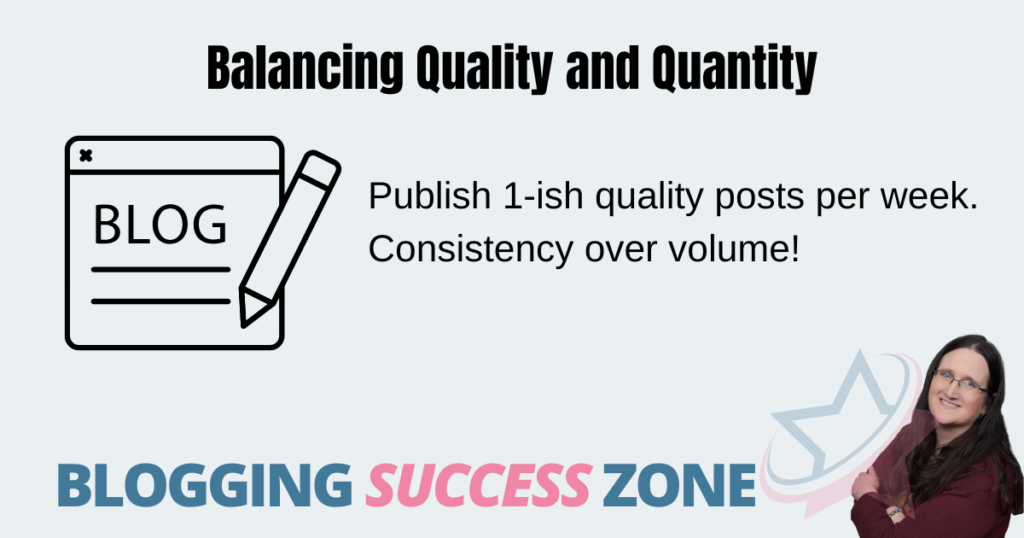
While you want to post frequently, You don’t want to sacrifice quality for quantity. You want to post good content. Aim for 1-2 high-quality posts per week. This gives you time to research, write, and edit without burning out. You may even consider batch creating content to help you create posts faster.
To keep your content engaging and give variety, consider mixing up your content types. This will help to keep things fresh. Consider including:
- In-depth guides
- Quick tips
- Personal stories
- Guest posts
Planning Your Topics in Advance
Use a content calendar to plan ahead. This helps you maintain a steady flow of ideas and avoid last-minute scrambles.
Brainstorm blog post ideas regularly. Keep a running list of topics that excite you and your readers.
Try these methods to generate ideas:
- Check trending topics in your niche
- Google Trends
- Social Media
- Survey your audience
- Key phrase or keyword research
- Google Search
- Keyword Research tools
- Answer the Public
- Ubersuggest
- Replicate success
- Look at your most popular posts for spin-off ideas
- Look at competitor’s posts for spin-off ideas
- Look at what is popular on Pinterest for ideas to use as a jumping off point
- Brainstorming
- Brain Dump
- Hub and spoke bubble diagram of ideas
If you get to the point that you plan your content a month in advance you create a buffer for busy times. This gives you wiggle room and flexibility.
It also lets you create themed series or tie posts to upcoming events.

Embracing Flexible Consistency
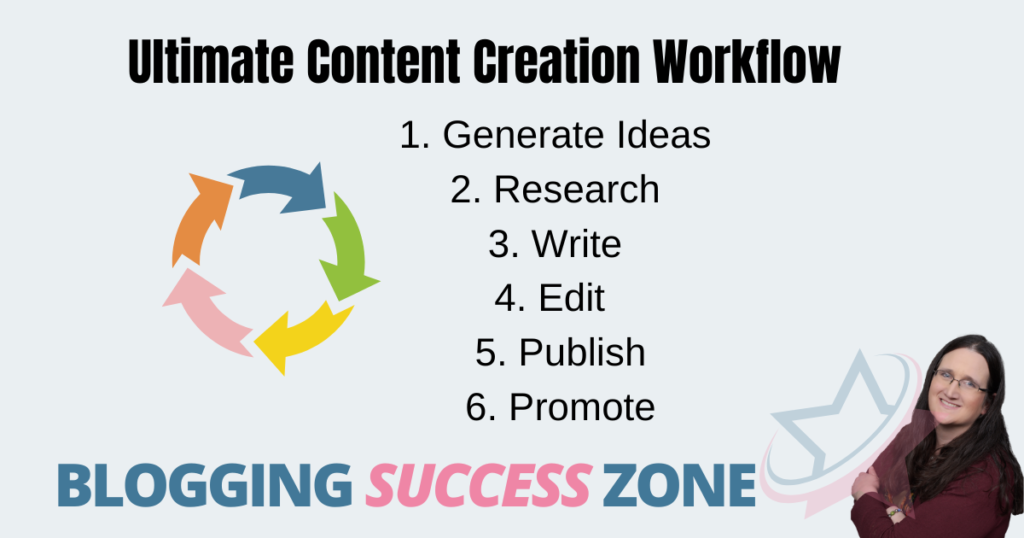
When you create a plan, you will want to work through and set aside time for each of the steps in the process. I find it helpful to set the publishing goal date and work backwards.
Keep in mind though that even though you set a publishing day, you need to be kind to yourself.
Life happens! If you miss a week, don’t stress. Just pick up where you left off.
If a deadline motivates you, do your best to hit the goal. If a deadline shuts you down, then keep the deadline super loose. Do what works for you.
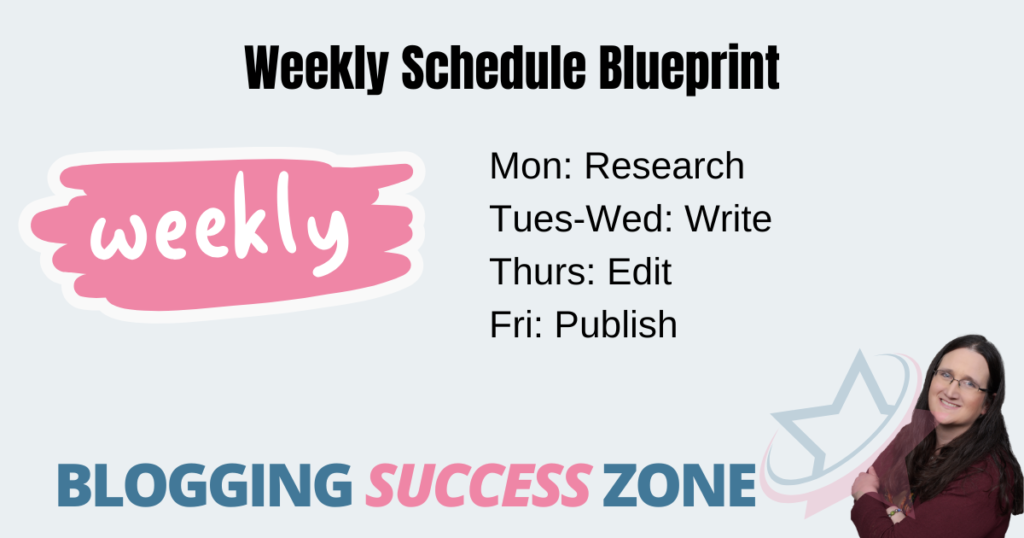
Create a weekly routine that fits your life. If you write a post a week this might be a helpful schedule:
- Monday: Research and outline
- Tuesday-Wednesday: Write draft
- Thursday: Edit and add images
- Friday: Final polish and schedule
Build in buffer time for unexpected delays. Consider having a few evergreen posts ready can save the day when you’re in a pinch. This can be a huge benefit when creativity or time runs short
Remember, your blog schedule should work for you, not the other way around. Adjust as needed to keep blogging fun, enjoyable, and sustainable.
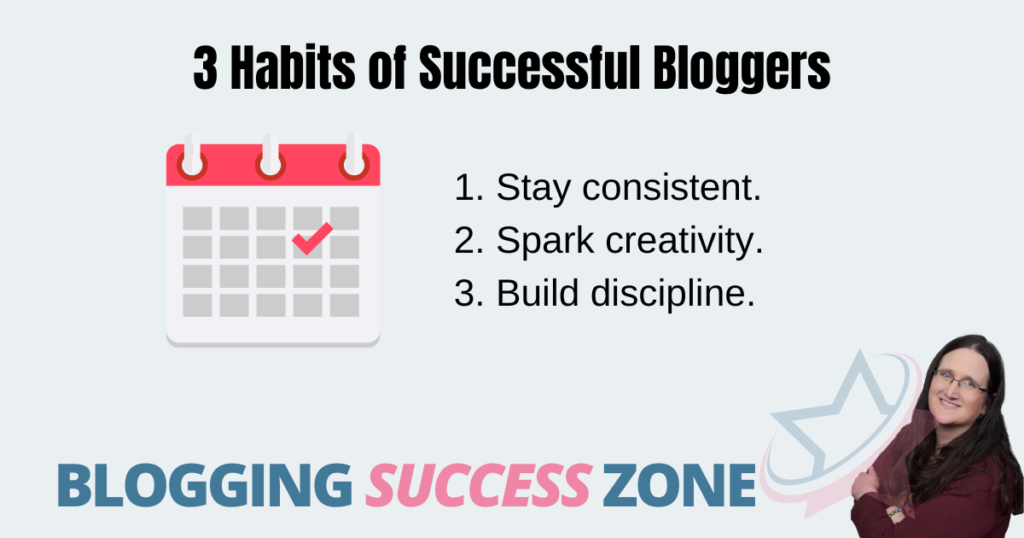
Habit Formation for Content Creators
Building good habits is key for bloggers who want to create content regularly. Let’s look at some effective strategies to form strong and lasting content creation habits.
Cultivating Discipline and Creativity
Many people think that creativity comes and goes and there is nothing you can do if you don’t feel creative at the moment. And while it is true creativity levels can vary, giving yourself some structure can really help maintain higher creativity levels. Here are a few tips for doing this:
Set a regular time and place for writing.
Establishing a regular time and place for writing can transform content creation into a habit.
Choose a quiet spot where you can focus without distractions, and try to write at the same time each day, even if it’s just for 30 minutes.
This helps turn content creation into a routine.
Don’t wait for inspiration to strike.
Sit down and write, even when you don’t feel motivated.
The act of showing up builds momentum. Keep a list of blog post ideas to draw from when you’re stuck.
Mix things up to stay creative.
Try writing in new locations or at different times of day. Do quick writing exercises to warm up your brain before diving into blog posts.
Try using a Pomodoro timer
Timers like the Pomodor timer can help you to get into a regular writing routine.
While I often ignore the timer once I hit my flow in writing, giving myself permission to only write for x minutes and then re-evaluate or take a break helps me show up and give a good effort for that first time span.
On more than one occasion this was all I needed to jump start my writing and kick my creativity into gear.
Set a Timer for “breaks”
If you take an intentional break, whether in your progress on an individual post or from blogging in general, set an alarm so an “I’ll finish this tomorrow” doesn’t turn into many more days than you planned.
This can also work well for breaks in your blogging day. If you set the alarm near your workspace and you are taking a break in another location, the act of getting near your work space to turn it off may be what you need to push momentum in your favor and get you started working again.
Using Tools to Stay on Track
Leverage technology to stay organized and focused. A content calendar is an invaluable tool for planning your posts.
Map out topics for the next few weeks or even months, which eliminates the guesswork about what to write next.
Organizing Your Workflow
Consider using project management apps like Trello or Asana to organize your blogging tasks.
Break larger projects into smaller, manageable steps that you can check off as you complete them.
Set reminders on your phone to nudge you to write. Utilize timer apps for focused writing sprints to minimize distractions.
Tracking your daily word count or the amount of time spent writing can also provide a sense of accomplishment.
Seeing your progress adds motivation to keep going.
Rewarding Your Progress
Celebrating small wins along your content creation journey is crucial for maintaining motivation. Did you publish a post on time? Treat yourself to a fancy coffee or indulge in an episode of your favorite show.
Share your achievements with fellow bloggers or join online communities where you can connect with others who understand your journey. Set milestone rewards for bigger goals—perhaps you’ll treat yourself to that new tech gadget after consistently posting for three months.
Always remember why you started blogging in the first place. Create a list of what you love about blogging and refer to it whenever you need a motivational boost.

Weekly Publishing Wonders
Regular posting keeps readers coming back for more. It is the lifeline of your blog. It helps build a loyal following and improves your blog’s visibility.
Let’s explore some key strategies to make weekly publishing work for you.
Building a Consistent Publishing Routine
Establish a fixed day each week for publishing new content.
This consistency creates a routine for your readers. They’ll know when to expect new content from you.
Modifications to Increase Engagement
Experiment with different days to determine which ones yield the most views, and utilize social media to remind your followers about new posts.
Engage your readers by asking questions within your articles to encourage comments and discussions.
Responding promptly to comments fosters community and keeps conversations alive.
Invest time in creating eye-catching images for each post, and craft catchy titles that entice readers to click and explore further.
Creating a Content Buffer
Plan your posts in advance. This takes the stress out of weekly publishing.
Set aside time each month to brainstorm ideas. Write down topics for the next 4-6 weeks.
Drafting a few extra posts as backups can also provide peace of mind.
Use a content calendar to stay organized. Try tools like Trello or Google Calendar for this.
Break big topics into smaller posts to spread them out. Keep a running list of ideas for when you are looking for what to do next, or for when inspiration strikes.
This way, you’ll always have something to write about.
Analyzing and Adapting to Reader Feedback
Pay attention to which posts get the most views and comments. Use this info to guide future content.
Try polls or surveys to ask readers what they want to see.
Look at your blog’s analytics to spot trends.
- Which topics are most popular?
- What time of day do people read your blog?
- What blog topics get the most shares?
Don’t hesitate to adjust your posting schedule if needed. Experiment and try new things.
If something doesn’t work, learn from it, pivot and move on.
Keep track of questions readers ask in comments. These can spark ideas for new posts.
Remember, your blog should grow and change with your audience.

Shine Online: SEO and Promotion
Getting your blog noticed takes more than just great content.
You need effective strategies to boost visibility and connect with readers.
Let’s explore some key tactics to help your blog shine online.
Optimizing Content for Search Engines
Make your blog posts search-engine friendly. Use relevant keywords in your titles, headings, and throughout your content. But don’t overdo it – keep things natural and reader-friendly.
Create descriptive meta titles and descriptions for each post. These help search engines understand your content and can boost click-through rates.
Focus on quality, in-depth content that answers readers’ questions. Search engines love helpful, well-researched articles.
Don’t forget about images! Use alt text to describe your visuals and include keywords where it makes sense.
Improve your site’s loading speed. Fast-loading pages rank better and keep readers happy.
Growing Your Reach with Social Media
Share your blog posts on social platforms. Each network has its own style, so tailor your approach.
On Instagram, create eye-catching graphics with post snippets. Use relevant hashtags to reach new audiences.
Twitter is great for quick tips and engaging discussions. Share bite-sized insights from your posts.
Facebook groups can be goldmines for connecting with like-minded bloggers and potential readers.
Try different content formats like short videos or infographics to spice things up.
Engage with your followers! Respond to comments and join conversations to build a loyal community.
Building Connections with Collaborations
Team up with other bloggers in your niche. Guest posting is a win-win: you reach new readers and build backlinks.
Join online communities related to your blog’s topic. Share your expertise and make genuine connections.
Consider starting a podcast or YouTube channel to expand your reach. Invite guests to share their insights.
Participate in virtual events or webinars. They’re great for networking and showcasing your knowledge.
Don’t be afraid to reach out to brands for partnerships. Start small and grow your influence over time.
Remember, authentic relationships are key. Focus on providing value, not just self-promotion.
Sparkling Invitations to Action

Get your readers excited and involved beyond just reading your blog posts. Offer them valuable extras that keep them coming back for more. These strategies will boost engagement and grow your audience.
Engaging Readers Beyond the Blog
Ask questions at the end of your posts to spark discussions. Invite readers to share their thoughts in the comments. Create polls on social media about upcoming blog topics. Host live Q&A sessions to connect directly with your audience. Start an email newsletter with exclusive content. Organize virtual meetups or webinars on hot topics. Run contests where readers can submit their own content ideas. Share behind-the-scenes peeks at your blogging process on Instagram Stories.
Offering Value with Lead Magnets
Create a free ebook that expands on a popular blog post topic. Design printable worksheets to help readers apply your advice. Offer a mini email course that teaches a specific skill. Put together a resource library with useful tools and templates. Record short video tutorials on frequently asked questions. Develop a quiz that helps readers identify their content creation style. Create a members-only Facebook group for deeper discussions. Offer a free 15-minute consultation call to new email subscribers.
Join the Content Creation Masterclass

Ready to take your blogging to the next level? Our Content Creation Masterclass is just what you need! This comprehensive course will help you develop the skills and habits for consistent, high-quality content creation.
In this masterclass, you’ll learn:
• Proven strategies for generating fresh ideas • Tips for creating engaging outlines • Research techniques to add depth to your posts • Writing methods to captivate your audience • Editing tricks to polish your work
You’ll get over 13 hours of valuable content, packed with insights from experienced creators. Our instructors will share their mistakes and lessons learned, so you can avoid common pitfalls.
The best part? You’ll discover how to grow your blog quickly and sustainably. We’ll teach you the secrets to building a loyal readership and expanding your online presence.
Don’t let writer’s block or inconsistency hold you back any longer. Join our Content Creation Masterclass today and unlock your full potential as a blogger!
Spaces are limited, so sign up now to secure your spot. Your journey to becoming a more confident and productive content creator starts here!
Frequently Asked Questions
Building a consistent content creation routine takes time and effort. These common questions address key aspects of developing sustainable blogging habits and reaping the rewards of regular publishing.
What are some beginner-friendly strategies for developing a content creation routine?
Start small and build up gradually. Pick a set time each day for writing, even if it’s just 15 minutes. Use a content calendar to plan topics in advance. Try batching similar tasks, like research or editing, to boost efficiency.
Keep a running list of blog post ideas for when inspiration strikes. This helps prevent writer’s block later on.
How can I ensure my blogging schedule is both realistic and productive?
Be honest about your available time and energy. Start with a modest goal, like one post per week. Track how long each step of your process takes to set realistic deadlines.
Build in buffer time for unexpected delays or creative blocks. Review and adjust your schedule regularly based on what’s working and what’s not.
In what ways does regular publishing affect my blog’s growth and reader engagement?
Consistent posting helps build trust with your audience. They learn when to expect new content from you. Search engines also favor regularly updated sites, potentially boosting your visibility.
Regular publishing gives readers more chances to share and engage with your work. This can lead to a snowball effect of growth over time.
What are the fundamental habits to establish for a consistent content output?
Set aside dedicated writing time free from distractions. Develop a pre-writing routine to get into the right mindset. Create outlines before diving into full drafts.
Practice daily freewriting to keep your creative muscles strong. Get comfortable with imperfect first drafts – editing comes later.
Could you share tips for finding inspiration when planning weekly blog topics?
Pay attention to questions your readers ask in comments or emails. Keep up with industry news and trends for timely topics. Look at your own life experiences for relatable stories.
Try mind mapping or brainstorming sessions to generate ideas. Collaborate with other bloggers for fresh perspectives on familiar subjects.
How can I stay motivated during periods of low creativity or high workload?
Remember your “why” – the reasons you started blogging in the first place. Set small, achievable goals to maintain momentum. Celebrate your wins, no matter how minor they seem.
Take breaks to recharge when needed. Connect with other bloggers for support and accountability. Mix up your routine to spark creativity when you’re feeling stuck.