If you’re a blogger, you’ve probably heard the term “micro content” thrown around. But what exactly is it, and why is it important for your blog?
Micro content refers to short, bite-sized pieces of content that can be consumed quickly.
This can include written copy, imagery, and video content that can be consumed in 10-30 seconds or less.
The rise of social media has made micro content more important than ever.
With attention spans shorter than ever, it’s crucial to capture your audience’s attention quickly.
Micro content allows you to do just that, providing your readers with quick and easily digestible snippets of information that they can consume on the go.
But micro content isn’t just important for social media – it can also be used on your blog to break up longer pieces of content and make them more readable.
What is Micro Content?
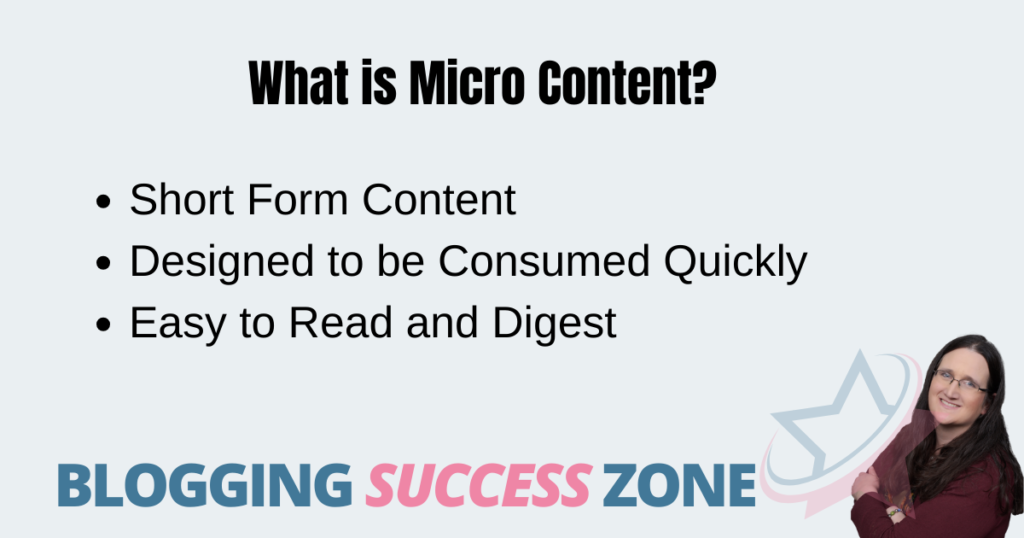
Micro content is a type of short-form content that is designed to be consumed quickly and easily. It can take many forms, including short text posts, images, videos, and audio content. The defining characteristic of micro content is its brevity. It is typically consumed in 10-30 seconds or less, making it ideal for people who are short on time or attention.
Micro content is often used in social media, where users are bombarded with a constant stream of information. It is designed to grab the user’s attention and deliver a message quickly and effectively. This makes it a valuable tool for businesses and bloggers who want to promote their content and engage with their audience.
One of the benefits of micro content is that it can be easily repurposed and shared across multiple platforms. For example, a short video clip can be shared on Instagram, Facebook, and Twitter, reaching a wider audience and driving traffic back to your blog or website. This makes micro content a cost-effective way to reach a larger audience and promote your brand.
Overall, micro content is an important tool for bloggers and businesses who want to engage with their audience and promote their content. By creating short, attention-grabbing content, you can increase your reach and drive more traffic to your website.
Why Use Micro Content in Blogs?
If you’re a blogger, you know how important it is to keep your readers engaged. Micro content can help you do just that. By providing bite-sized pieces of information, you can capture your readers’ attention and keep them coming back for more. Here are some reasons why you should consider using micro content in your blogs:
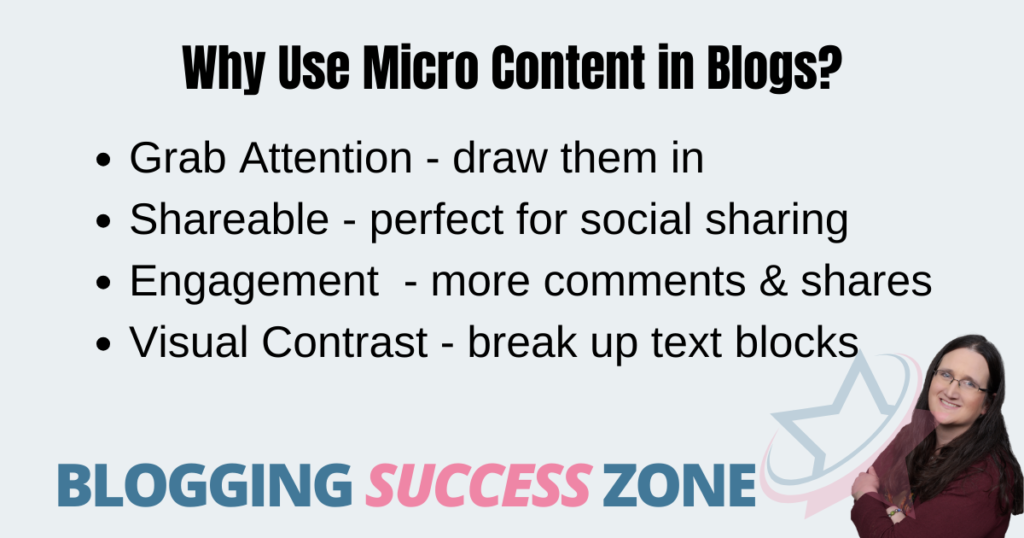
- Attention-grabbing: Micro content is designed to be eye-catching and easy to consume. It can be a great way to draw readers in and get them interested in your blog.
- Shareable: Micro content is perfect for sharing on social media platforms. It’s short, sweet, and to the point, making it ideal for capturing the attention of your followers.
- Increased engagement: By breaking up your blog post with micro content, you can keep your readers engaged and interested. This can lead to more comments, shares, and overall engagement on your blog.
Another benefit of using micro content is that it can help you reach a wider audience. Many people have short attention spans and may not have the time or desire to read a lengthy blog post. By providing micro content, you can cater to these readers and keep them coming back for more.
Overall, micro content can be a valuable tool for bloggers. It can help you capture your readers’ attention, increase engagement, and reach a wider audience. So why not give it a try and see how it can benefit your blog?
Types of Micro Content for Blogs
Micro content is a powerful way to engage your audience and keep them coming back for more. Here are some of the most popular types of micro content that you can use to enhance your blog:
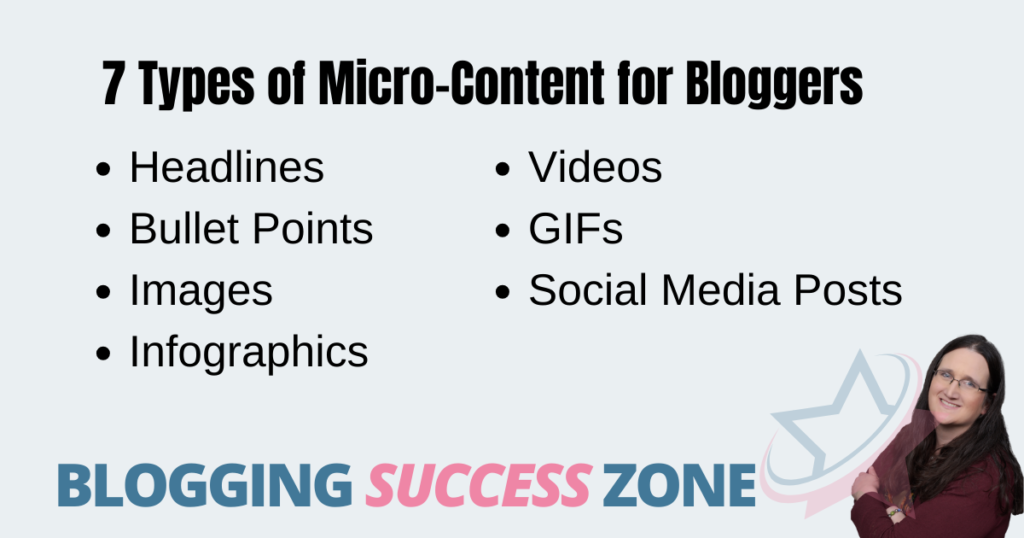
Headlines
Your headlines are the first thing that your readers will see, so make sure they are attention-grabbing and informative. Use numbers, questions, and strong action verbs to make your headlines stand out. Keep them short and sweet, and make sure they accurately reflect the content of your blog post.
Bullet Points
Break up your content with bullet points to make it easier to read and understand. Use bullet points to highlight key takeaways, important statistics, or actionable tips. This will make your content more scannable and increase the chances that your readers will engage with it.
Images and Infographics
Visual content is a great way to break up long blocks of text and keep your readers engaged. Use high-quality images and infographics to illustrate your points and make your content more visually appealing. This will help your readers better understand your message and increase the chances that they will share your content on social media.
Videos and GIFs
Videos and GIFs are a great way to add some personality to your blog and keep your readers engaged. Use short, informative videos to explain complex concepts or provide step-by-step instructions. Use GIFs to add some humor or visual interest to your content.
Social Media Posts
Social media is a great way to promote your blog and engage with your audience. Use short, snappy social media posts to promote your latest blog posts, share interesting facts or statistics, or ask your followers for their opinions. This will help you build a loyal following and increase the visibility of your blog.
How to Create Effective Micro Content for Blogs
Creating effective micro content for blogs is all about making the most of the limited space you have. With only a few seconds to capture your reader’s attention, it’s important to use strong visuals and action-oriented language to create a lasting impression. Here are some tips to help you create effective micro content for your blog.

Keep it Short and Sweet
When it comes to micro content, less is definitely more. Keep your content short and sweet, and focus on delivering a clear message that your readers can easily understand. Use short sentences and simple language to make your content more accessible, and avoid using jargon or technical terms that might confuse your readers.
Featured snippets are a great example of micro content that can drive traffic to your blog. They are concise, informative, and provide quick answers to user queries. By optimizing your content for featured snippets, you can increase your chances of appearing at the top of the search results page.
Microblogging is a great way to share micro content with your audience. Platforms like Twitter, Tumblr, and LinkedIn allow you to share short-form content with your followers. By including a link to your blog post in your microblogging updates, you can drive traffic to your blog and increase engagement.
Use Strong Visuals
Visuals are a powerful tool for creating effective micro content. Use eye-catching images, videos, or infographics to grab your reader’s attention and convey your message quickly and effectively. Make sure your visuals are high-quality and relevant to your content, and use captions or alt text to provide context and make your content more accessible.
Infographics are a great way to share complex information in a visually appealing format. They are easy to share on social media and can drive traffic to your blog. By creating infographics that summarize your blog post, you can provide your audience with a quick and informative overview of your content.
Listicles are a great way to share micro content that is easy to read and share. They are popular on social media and can drive traffic to your blog. By creating listicles that summarize your blog post, you can provide your audience with a quick and informative overview of your content.
Use Action-Oriented Language
Action-oriented language is key to creating effective micro content. Use strong verbs and active voice to create a sense of urgency and encourage your readers to take action. Use phrases like “Get started today” or “Sign up now” to create a sense of excitement and motivate your readers to engage with your content.
Make it Shareable
Finally, make sure your micro content is shareable. Use social media buttons or other sharing tools to make it easy for your readers to share your content with their friends and followers. Use hashtags or other tags to make your content more discoverable, and encourage your readers to share your content by offering incentives or rewards.
Social media is a great platform to share micro content that can drive traffic to your blog. Short-form videos, images, and infographics are great examples of micro content that can be shared on social media. By including a link to your blog post in your social media updates, you can drive traffic to your blog and increase engagement.
In summary, creating effective micro content for your blog is all about making the most of the limited space you have. Keep your content short and sweet, use strong visuals and action-oriented language, and make it shareable to create a lasting impression on your readers.
Conclusion
Micro content is an essential part of any blog. By providing bite-sized pieces of information, you can capture your audience’s attention and keep them engaged. The average reader’s attention span is only 8 seconds, so it’s crucial to make every second count. Micro content allows you to do just that.
Remember to keep your micro-content concise, relevant, and visually appealing. Use images, videos, and infographics to help convey your message. Use bullet points and tables to organize information and make it easier to read. And don’t forget to include a call to action to encourage your readers to take the next step.
By incorporating micro content into your blog, you can increase engagement, drive traffic to your site, and establish yourself as an authority in your niche. So, start creating micro-content today and watch your blog grow!