Attracting visitors to your blog requires a dynamic approach that balances the art of content creation with the science of digital marketing. Understanding the various facets of blog traffic acquisition is crucial, as it can lead to a loyal readership and expanded online presence.
From
As the blogging landscape becomes increasingly competitive, it’s important for you to create content that stands out. Publishing high-quality, relevant content is the foundation of a successful blog.
Coupled with robust
Additionally, embracing platforms like social media can boost your blog’s reach and engagement.
Smart use of email marketing and list building, alongside opportunities like guest posting, can provide sustainable growth channels for your blog traffic.
Key Takeaways
- Quality content and
SEO are key to increasing blog visibility. - Social media and email marketing can significantly boost traffic.
- Strategic collaborations and guest posting expand your audience.
Understanding Traffic and Blog Basics
To effectively drive traffic to your blog, you need a solid understanding of what traffic means in the blogging context and how critical it is to choose the right niche.
What is Blog Traffic?
Blog traffic refers to the number of individuals who visit your blog. These visitors can arrive at your site through a variety of channels including search engines like Google, direct links, or social media. Metrics such as page views and unique visitors are commonly used to measure this traffic.
The Importance of Niche Selection
Selecting a niche is a strategic decision that can significantly influence your blog’s traffic. By focusing on a specific niche, your blog can attract a more targeted audience. A well-defined niche helps you provide more value to your readers and increases the chances of higher engagement and repeat visits.
How Search Engines Work
Understanding how search engines work is paramount to generating blog traffic. When you publish content, search engines use algorithms to index and rank your posts. Factors such as keyword relevance, content quality, and site performance play a role in how easily your potential readers can find your blog via search engines. Regularly updated and well-optimized content has a better chance of ranking higher on search results pages, making it more visible to users searching for information in your niche.
Creating and Publishing Quality Content
To consistently attract traffic to your blog, you need to focus on creating and publishing content that resonates with your audience and remains relevant over time. This involves crafting content that is both evergreen and in-depth, and optimizing it with the right keywords.
Crafting Evergreen Content
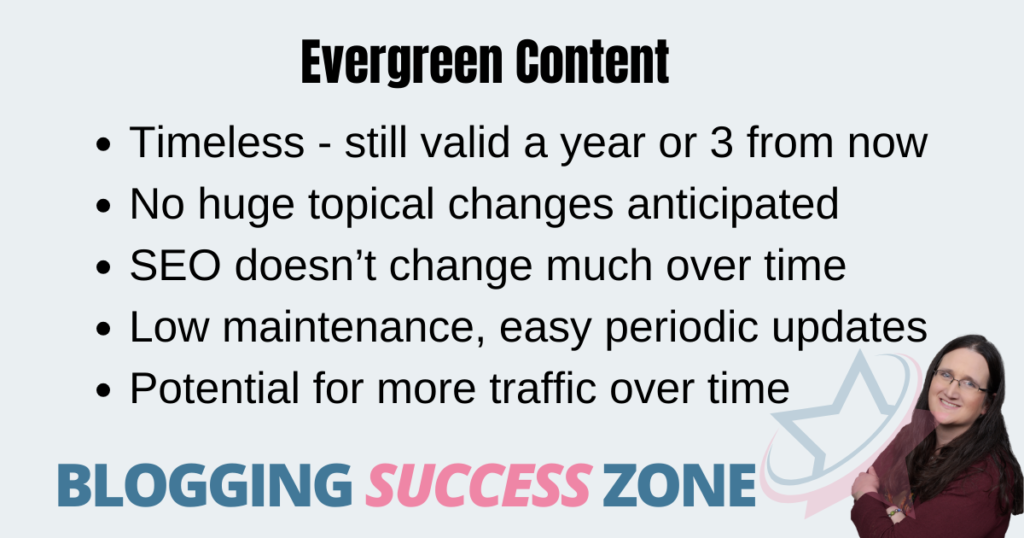
Evergreen content is timeless, providing value to your readers long after it’s published. To create such content, choose topics that solve universal problems or answer questions that are likely to be asked for years to come. Examples include how-to guides, tips for daily life, or foundational knowledge pertinent to your niche. Remember to periodically update your evergreen posts to ensure they stay current.
Writing In-Depth Long-Form Posts
Long-form blog posts, typically over 1,200 words, allow you to dive deeply into subjects, providing readers with comprehensive insights. To ensure high quality, break your content into subsections with clear headings, include relevant data or case studies, and make your arguments logically and systematically. This level of detail not only caters to reader engagement but may also boost your
Incorporation of Keywords
Incorporate relevant keywords strategically throughout your content to boost its visibility in search engine results. You should research and use keywords that match the search terms your target audience is using. Utilize tools like Google Keyword Planner for finding high-traffic keywords with low competition. Incorporate them naturally into your text, titles, and headings, remembering that keyword stuffing can harm readability and search performance.
SEO Optimization Techniques
Effective
On-Page SEO Essentials
For on-page
Tools like the Yoast
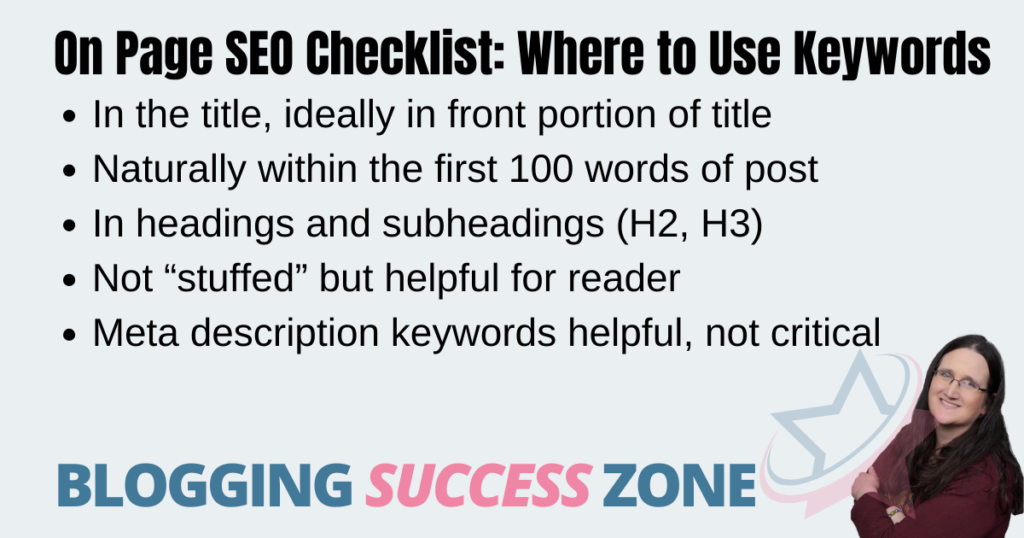
- Use your primary keyword in the title, preferably at the beginning.
- Embed keywords naturally within the first 100 words of your content.
- Use headings and subheadings (H2, H3 tags) to structure your content and include relevant keywords.
- Consider the user experience with images and multimedia to support text.
- Make sure meta descriptions are informative and include your main keywords.
Understanding Technical SEO
Technical
You should also create a clean URL structure and utilize schema markup to help search engines understand your site’s content. Regularly audit your site for crawl errors, broken links, and duplicate content. Here is a mini technical
- Confirm that your website is mobile-responsive.
- Use SSL encryption (HTTPS) for security, which is also a ranking signal.
- Regularly check for broken links and correct them.
- Ensure your site’s navigation is logical and straightforward.
Building Quality Backlinks
Backlinks are a testimonial to the credibility of your blog. Focus on building quality backlinks rather than a large quantity of low-quality links. Write guest posts on reputable sites in your niche, engage in industry forums, and produce shareable content that naturally attracts links from other websites.
Remember, gaining backlinks from authoritative and relevant sources can significantly elevate your blog’s ranking in search results. A couple of ways to acquire quality backlinks:
- Create compelling infographics that others want to reference.
- Reach out to influencers or bloggers in your niche for collaborations.
Leveraging Social Media
To effectively drive traffic to your blog, it’s essential to harness the power of social media platforms. By targeting the right audience and sharing engaging content, you can amplify your blog’s reach and attract more visitors.
Promotion on Major Platforms
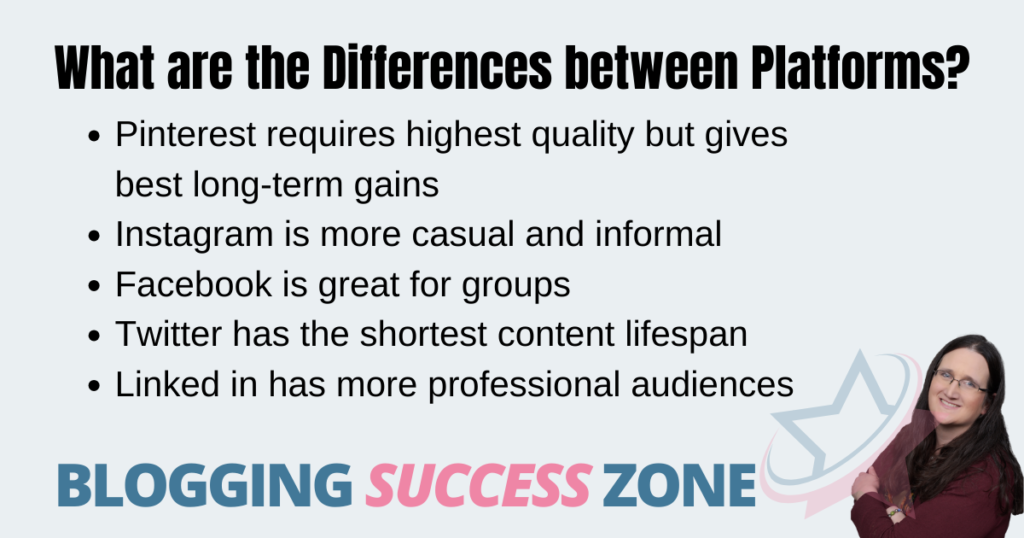
Facebook & Twitter: Begin by sharing your blog posts on Facebook and Twitter. Tailor your posts to each platform; use casual, engaging language on Twitter, and more detailed descriptions on Facebook. Remember to include relevant hashtags to increase visibility.
- LinkedIn: For professional or industry-specific content, LinkedIn can be an excellent platform. Share your blog posts with a professional summary that highlights the value your post brings to your network.
- Instagram & Pinterest: If your blog has high-quality images or infographics, these visual-centric platforms can be significant traffic drivers. Use compelling captions and relevant hashtags to boost engagement. Leverage Instagram Stories and Pinterest boards for added exposure.
Engaging with Online Communities
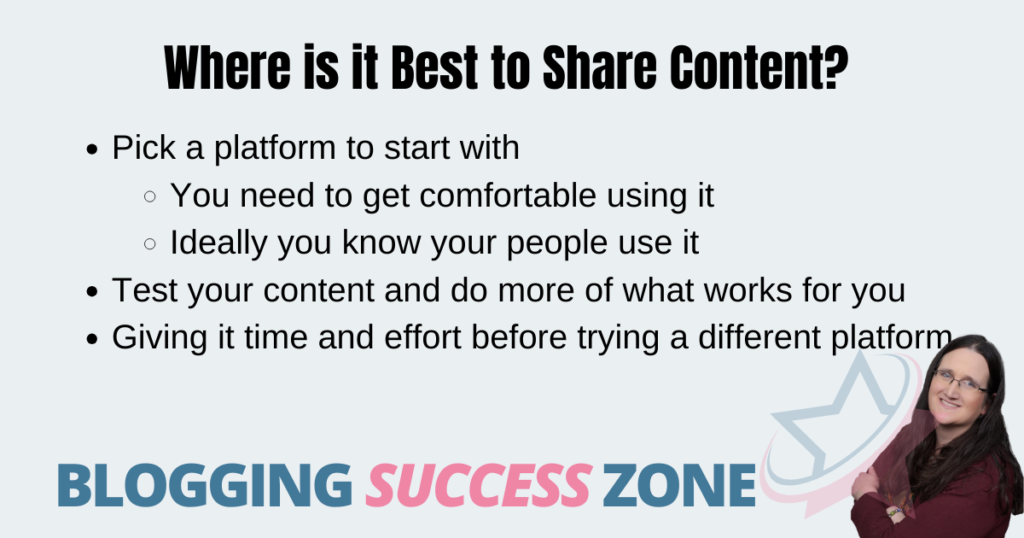
Identify online communities on platforms like Facebook Groups, LinkedIn, or niche forums related to your blog’s topic. Get involved by:
- Participating in discussions
- Answering questions
- Sharing your expertise
When appropriate, share links to your relevant blog posts, but avoid overt self-promotion. Always aim to add value to the conversation.
Utilizing Visual Content
Create and share engaging visual content to catch the eye of social media browsers. Use tools like Canva or Adobe Spark to design custom images and videos that reflect your blog’s branding and message. Here’s how to make the most of your visual content:
- Optimize image sizes for each platform—larger, high-resolution images for Pinterest and snappier graphics for Instagram.
- Create video snippets to preview your blog posts on Instagram or Facebook. A well-edited video can pique interest and drive users to your blog for the full content.
Email Marketing and List Building
Email marketing helps you connect directly with your audience and encourages repeat visits to your blog. By building an effective email list, you’ll be able to send out newsletters and utilize retargeting strategies to increase your blog’s traffic.
Why Build an Email List?
Building an email list gives you direct access to your audience’s inboxes. This means you can share your latest content, offers, and announcements without relying on the fluctuating algorithms of social media platforms. To get started, you’ll need:
- A Sign-Up Form: Place this prominently on your blog.
- An Incentive: Offer a freebie to encourage sign-ups, such as an ebook or a webinar.
Creating Effective Newsletters
Your email newsletter is the heartbeat of your email marketing strategy. To create newsletters that your audience will want to open, consider the following:
- Engaging Content: Craft content that is both informative and relevant to your readers.
- Consistent Schedule: Set a regular schedule for sending newsletters to keep your audience engaged without overwhelming them.
- Clear Design: Use a clean layout with a balance of images and text to make your newsletter visually appealing.
Advanced Retargeting Strategies
Retargeting allows you to reconnect with individuals who have previously interacted with your email or visited your blog. Here’s how you can use retargeting to build traffic:
- Segment Your List: Categorize your audience based on their interests and behavior to tailor your emails.
- Personalized Campaigns: Send emails that resonate with where each reader is in the customer journey.
- Monitor and Adjust: Use analytics to track the success of your campaigns and make adjustments as necessary.
Guest Posting and Collaboration
Guest posting and collaboration can dramatically increase your blog’s visibility and establish your reputation in your niche. By focusing on these strategies, you’ll attract not just traffic but engaged readers who value your content.
Building Authority through Guest Blogging
Guest blogging is a powerful way to build your authority within a specific field. When you contribute high-quality content to reputable sites in your niche, you get the chance to showcase your expertise to a broader audience.
- Choose the Right Blogs: Look for blogs with high domain authority that share your target audience.
- Create Valuable Content: Your posts should offer insights and value that resonate with that blog’s readership.
- Engage with Comments: After your guest post is published, interact with commenters to further solidify your position as a knowledgeable resource.
Networking with Peers and Competitors
Networking with others in your field, including competitors, can lead to mutually beneficial guest posting opportunities.
- Identify Potential Partners: Look for blogs or competitors where a partnership could be advantageous for both parties.
- Pitch Your Ideas: Clearly outline how a guest post from you could provide value to the blog owner’s audience.
- Foster Relationships: Engage with these peers regularly on social platforms and in forums to keep the connection strong and ongoing.
By following these guidelines, your blog can gain meaningful traffic and you’ll build a network that supports and grows with you.
Additional Traffic Drivers
Beyond organic search and social media, there are additional tactics you can employ to drive traffic to your blog. These strategies might require an investment, whether it’s your time or money, but they can offer significant returns in terms of audience growth.
Using Paid Advertising
You can boost your blog’s visibility through paid advertising. Investing in paid search campaigns, like Google AdWords, allows your blog to appear at the top of search results for specific keywords. Here’s a simple format to consider:
- Choose the right keywords: Focus on terms that your intended audience often searches for.
- Set a budget: Determine how much you’re willing to spend daily or per click.
Platforms for Paid Ads:
| Platform | Ad Type | Best For |
|---|---|---|
| Search and Display | Reaching users actively searching for content | |
| Social Ads | Targeting demographics and interests | |
| Sponsored Content | Leveraging B2B audiences and professionals |
Hosting Webinars and Online Courses
Webinars and online courses can create value and drive traffic back to your blog. Your courses and webinars should be packed with useful information and insights, encouraging participants to visit your blog for more content.
- Use platforms like YouTube to host webinars and tease your online courses.
- Share snippets or insights from your course content on Q&A forums like Quora and Reddit to build interest.
Tips for Engagement:
- Interact Live: Address questions in real time to build a connection with your audience.
- Follow-up Content: Offer relevant blog posts as supplementary material after the webinar.
Exploring Alternative Platforms
Finding your audience on various platforms and leading them back to your blog can be an art. Consider these options:
- Podcasts: Start a podcast or become a guest on established podcasts to discuss topics related to your blog’s content.
- E-Books: Author an e-book that delves deep into a subject within your niche. Use this as a lead magnet to drive traffic.
Distribution Channels:
- For podcasts, use platforms like Spotify or Apple Podcasts to reach a broad audience.
- Distribute your e-books through Amazon or offer them as a free download on your blog for email subscription sign-ups.
Analyzing and Improving Engagement
To effectively boost your blog’s traffic, it’s essential to analyze visitor interactions and refine their overall experience. By leveraging data and improving engagement, you can help ensure that traffic not only grows but thrives.
Monitoring Traffic and User Behavior
Begin by assessing your traffic source and engagement rate. Utilize tools such as Google Analytics to track which channels are driving the most visitors to your blog. Make note of:
- Top Referrers: Where your traffic originates—social media, search engines, direct visits, etc.
- Engagement Metrics: Time on page, pages per session, and bounce rate.
This data will help you understand which content resonates with your audience and which sources are most valuable for acquiring new readers.
Enhancing User Experience
Your blog’s readability and ease of navigation significantly affect engagement. Implement the following:
- Clear Headings and Subheadings: To guide users through your content.
- Responsive Design: Ensure your blog looks good on all devices.
- Fast Load Times: Optimize images and scripts to reduce page load speed.
An accessible and pleasant reading experience encourages visitors to stay longer and engage more with your content.
Encouraging Social Shares
Social shares can dramatically increase your blog’s exposure. Implement social sharing buttons strategically to make it effortless for readers to share your posts. Ensure that:
- Visibility: Buttons are noticeable and placed at key points in your articles.
- Ease of Use: Sharing requires minimal clicks or taps.
By simplifying the sharing process, you entice readers to spread the word about your blog, thus potentially amplifying your traffic and engagement.
Long-Tail Strategies for Sustained Growth
Incorporating long-tail strategies can significantly boost the quality of traffic to your blog, increasing both sales and leads with more targeted visitors.
Targeting Long-Tail Keywords
Long-tail keywords are three or more words phrases that are highly specific to what you are selling or what your blog is about. Because they are more specific, they tend to attract more qualified traffic. To find these keywords, tools like SEMrush can be quite helpful. For example, instead of targeting “fitness tips,” you could aim for “home fitness tips for beginners.”
| Keyword Type | Example |
|---|---|
| Broad Term | Fitness Tips |
| Long-Tail Keyword | Home Fitness Tips for Beginners |
When creating content, ensure you’re incorporating these long-tail keywords in your:
- Blog Titles: Make them descriptive and keyword-rich.
- Headings & Subheadings: Break up your content while keeping
SEO in focus. - Content Body: Use them naturally to maintain readability for your audience.
Using Content to Drive Sales and Leads
Your blog’s content can act as a lead generation tool. Tailor your content to answer the specific questions and needs of your target audience. Write in-depth guides, how-tos, and articles that detail complex topics that are relevant to your niche. By doing so, you provide value to your readers, and they’re more likely to trust you with their business.
- Case Studies: Show real-life examples of your product or service in action.
- Email Sign-Up Forms: Use them within your content to collect leads.
- Product Reviews & Comparisons: These can influence readers at the decision stage.
Always include clear calls to action (CTAs) that guide the reader to the next steps, whether that’s signing up for a newsletter, downloading a free guide, or making a purchase. These CTAs should be strategically placed and stand out in the content.
Remember to track your blog’s performance through analytics to understand which long-tail keywords and content types are the most effective at driving targeted traffic, sales, and leads. Adjust your strategy accordingly for continued growth.
Planning and Maintaining Your Content Strategy
Effective content strategy necessitates careful planning and regular maintenance to keep your blog’s traffic growing. Let’s focus on how you can set up a system to stay organized and make the most of your content.
Developing an Editorial Calendar
An editorial calendar is essential for strategic content planning. Start by deciding on the frequency of your posts; you could choose weekly, bi-weekly, or whatever fits your schedule and goals. Next, plot your topics on a calendar. For instance, if your blog specializes in tutorials, pinpoint specific dates for “How-To Guides” or “Ultimate Guides”. Use this template to guide your editorial calendar:
| Week | Post Type | Topic |
|---|---|---|
| 1 | Tutorial | How to […] |
| 2 | Listicle | Top 10 ways to […] |
| 3 | Guide | The Ultimate Guide to […] |
Curating and Repurposing Content
Your existing content is a gold mine. Review your older posts and identify those that can be updated, transformed into a different format, or expanded into a deep dive tutorial. For example, a listicle with tips could become a series of detailed “How-To” guides. This technique not only freshens up your content but also serves your audience’s diverse preferences. Here’s how to approach repurposing:
- Identify evergreen content.
- Consider new angles or updates.
- Decide on a new format (e.g., video, infographic, podcast).
- Schedule repurposing in your content calendar.
Frequently Asked Questions
In this section, you’ll find targeted advice and resources to enhance your blog’s visibility and traffic, offering you a clearer path towards achieving your blogging goals.
What are effective strategies to attract more visitors to a new blog?
Consistently creating high-quality content tailored to your target audience is key. Utilize
How can I increase my blog’s audience with no initial traffic?
Begin by promoting your blog through your personal social media networks and engaging with relevant online communities. Guest posting on established blogs can also expose your blog to new audiences.
What are some proven methods to quickly boost traffic for my blog?
Leverage social media advertising and influencer collaborations for a quick audience boost. Implementing an email marketing strategy to share your latest blog posts can significantly drive up traffic.
How can I get over 1000 visitors to my blog organically?
Focus on crafting content that solves specific problems or answers questions for your target audience, making it share-worthy. A strong emphasis on
What free tools can I use to enhance traffic to my blog?
Google Analytics can track your traffic and provide insights. Use keyword research tools like Google Keyword Planner for
What steps should beginners take to effectively drive traffic to their blogs?
As a beginner, prioritize learning basic