In the world of blogging, visibility can often feel like a double-edged sword, especially for introverted creators. You may crave the quiet focus required to produce original content while shying away from the noisy hustle for attention online.
However, maintaining some level of visibility is crucial to connect with your audience and grow your platform. Strategic visibility allows you to be seen and heard on your own terms, enabling you to share your work without oversharing yourself.
What I love about being online is that you get to call the shots on how and when you share about yourself personally. These tips and strategies will help you build connections with your people – maintaining your desired level of privacy and solitude.

Strategic visibility isn’t about relentless self-promotion. It’s about finding balance and tools that allow you to maintain your personal boundaries while achieving professional success.
Crafting an online persona that reflects your values can foster authentic connections without leaving you feeling exposed.
By honing your content creation strategies and engaging with social media wisely, you can network effectively, manage online interactions comfortably, and analyze the impact of your efforts without compromising your introversion.
Key Takeaways
- Balance is key in being visible while maintaining privacy.
- Authentic connections stem from a well-crafted online persona.
- Analysis of your efforts helps refine your approach to visibility.
Why some degree of visibility is important as a blogger
Visibility is key to connecting with your audience and expanding your reach. It’s not just about being seen; it’s about being impactful and creating relationships.

Connect with readers
By making yourself visible, you allow readers to put a face or personality to your content. This can deepen engagement and make your work more relatable. Whether you’re sharing personal anecdotes or professional insights, visibility helps to humanize your blog.
Build a sense of community
Visibility fosters a sense of belonging among your readers. This can lead to a vibrant community surrounding your blog, where readers feel they are part of something larger. A community-centric approach can encourage discussions, feedback, and user-generated content.
Establish your niche and expertise
Being visible means you can better showcase your expertise in a specific area. This doesn’t necessarily require sharing personal stories; rather, it’s about putting your knowledge on display. As your authority grows, so does trust in your content.
Grow your readership and platform
Visibility is a powerful tool for growth. It increases the chances of your content being shared and can help improve your blog’s search engine rankings. Moreover, a visible presence can attract opportunities such as collaborations, sponsorship, and speaking engagements.
Remember, visibility isn’t about oversharing; it’s about strategically crafting your public presence in a way that serves both you and your readers.
Understanding Strategic Visibility
When you seek to enhance your blog’s presence, strategic visibility stands as your roadmap to achieving this aim without compromising your personal boundaries.

Defining Strategic Visibility
Strategic visibility is the purposeful and selective approach to making your blog more visible to the right audience. As an introverted blogger, when you employ strategic visibility, you choose channels and tactics that align with your comfort levels while ensuring maximum impact. It involves deciding when, where, and how to share your content, being mindful that each choice moves you closer to your overall blogging aims.
Importance for Introverted Bloggers
For you, an introverted blogger, strategic visibility is especially crucial. It allows you to maintain your authenticity while navigating the social sphere of the internet. Making intentional choices about your visibility can lead to attracting clients who resonate with your values, forming deeper connections, and enhancing your blog’s success without the need to become someone you’re not. It translates into effective promotion at your own pace and terms, ensuring your voice is heard in a way that feels sustainable and empowering to you.
Crafting Your Online Persona
In the realm of blogging, your online persona is the bridge connecting you and your audience. Let’s focus on how to shape an image that’s true to you while establishing a solid presence.
Authenticity in Branding
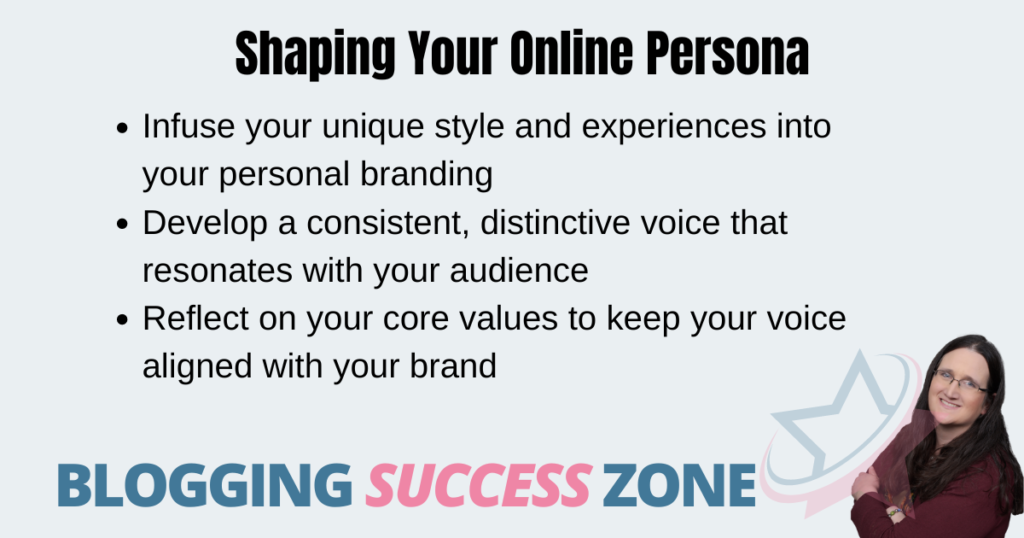
Your personal brand should be a reflection of who you are. Think about what makes you unique—your interests, your style, your experiences—and infuse that into every aspect of your branding. For example, you might express your introverted nature by creating content that resonates deeply on a one-to-one level rather than aiming for broad viral appeal. Use visuals and language on your blog and social media platforms that feel genuine and represent your true self.
Developing a Consistent Voice
Finding and maintaining a consistent voice isn’t just about what you say, but how you say it. Whether you’re writing blog posts or sharing updates on social media, consistency in tone and language helps build trust with your audience. You might cultivate originality and a distinctive style so that over time, your readers come to recognize your content immediately. Regularly reflect on your core values and interests to keep your voice not only consistent but also aligned with your authentic brand.
Potential Risks of Oversharing
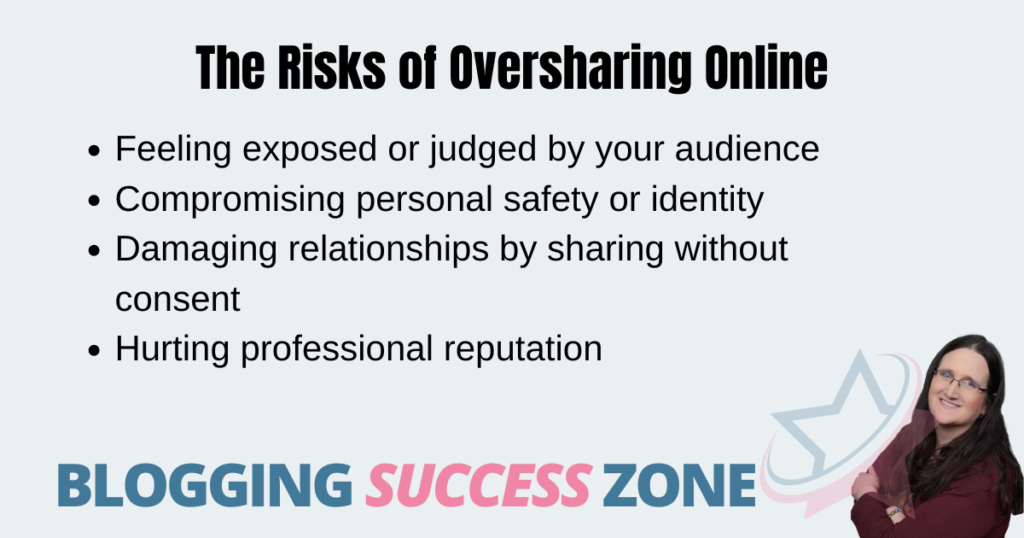
When engaging online, you may feel a push to share personal stories and experiences. Although this can increase relatability, it’s crucial to be aware of the delicate line between being personable and oversharing.
Feeling Exposed/Judged
By sharing too much, you risk feeling exposed or judged by your audience. Personal anecdotes might invite unwanted opinions, causing you to feel vulnerable to scrutiny or negative feedback.
Losing Privacy
Once information is out there, reclaiming your privacy can be difficult. You might inadvertently share details that can compromise your personal safety or lead to identity theft.

Damaging Personal Relationships
Personal stories often involve others. Sharing without consent can damage trust and strain relationships with friends, family, or colleagues who value their own privacy.
Hurting Professional Reputation
In the professional arena, oversharing can blur the lines between your personal and professional life, potentially hurting your reputation. It can give the impression of unprofessionalism, especially if the content is controversial.
Opening Yourself Up to Trolls/Harassment
Lastly, posting personal content can make you a target for trolls or harassment. The more personal the content, the more ammunition you give those seeking to harm or discredit you online.
Tips for Being Visibly Authentic Without Vulnerability
As an introverted blogger, balancing visibility with personal comfort is crucial. Apply the following strategies to remain authentic to your audience while protecting your own sense of vulnerability.

Know Your Boundaries and Comfort Zone
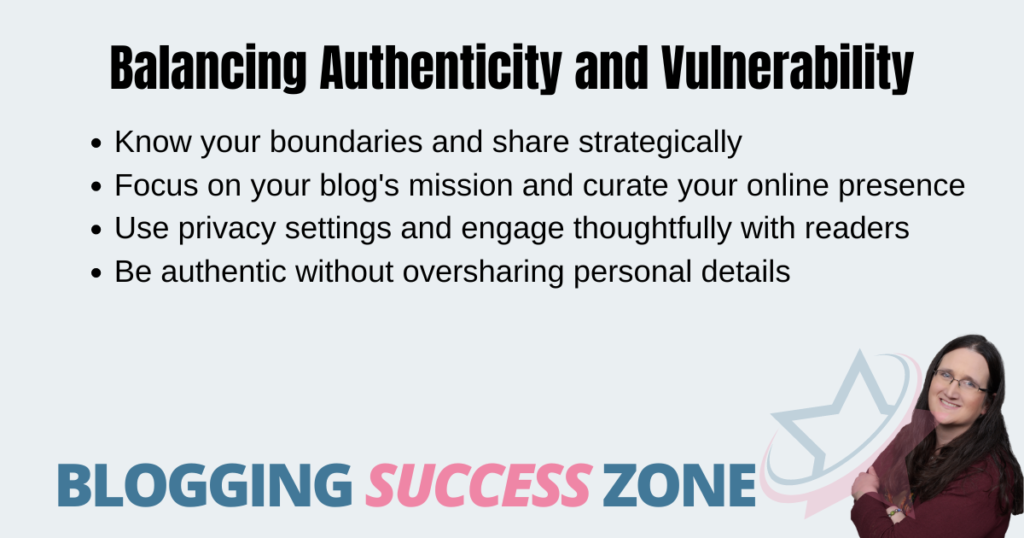
Identify the topics that you are comfortable discussing publicly. Stick to discussing areas that both pertain to your blog’s theme and feel safe to you. This ensures you maintain a professional distance while being relatable.
Share Strategically Instead of Impulsively
Before posting, consider the potential impact of your content. Aim to share content that brings value to your readers and enhances your blog’s purpose instead of sharing content reactively.
Focus on Your Mission and Message Rather Than Oversharing Personal Details
Keep the core message of your blog front and center. By doing so, you can convey your expertise and authenticity without divulging too much personal information.
Curate Your Online Presence Thoughtfully
Take ownership of your online narrative by selectively presenting content that aligns with your blog’s branding and your professional persona.
Use Privacy Settings Wisely
Familiarize yourself with privacy options on various platforms. Adjust settings to control who can see your content and to what extent you want to engage with your audience.
Connect with Readers in Comments Rather Than Posts
Foster reader engagement by being active in the comment sections of your posts. This can be a less daunting way to interact than sharing through vulnerable, personal posts.
Share Experiences but Keep Some Mystery
While sharing experiences can humanize your blog, retain a layer of mystery to keep your audience intrigued. This balance prevents overexposure and maintains interest.
Be Authentic but Don’t Feel Pressured to Share Everything
Being authentic doesn’t require total transparency. Share what resonates with your values and blog’s purpose, and remember that you control the narrative and depth of your online presence.
Content Creation Strategies
To effectively grow your online presence, you’ll want to focus on creating content that resonates deeply with your audience, as well as embracing diverse formats to share your message.

Quality Over Quantity
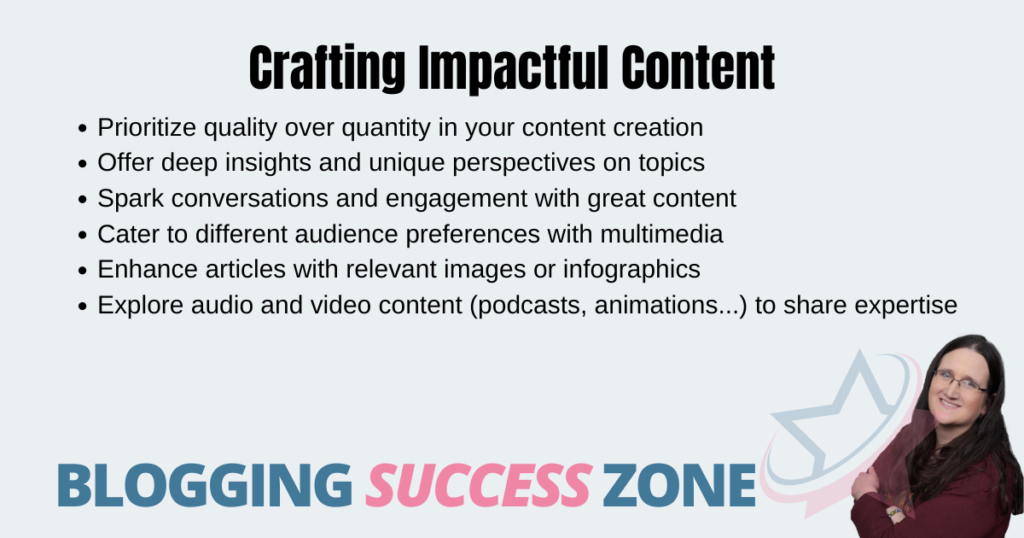
It’s crucial for you to prioritize the quality of your content. Your audience will appreciate well-researched, thoughtfully crafted posts more than a high volume of posts. Crafting a few outstanding pieces can be more impactful than churning out content just to keep up with a publishing schedule.
- Deep Dive Topics: Take the time to explore topics thoroughly and offer unique insights.
- Engagement: High-quality content often sparks conversations, leading to increased engagement.
Leveraging Multimedia
Incorporate various types of media to engage different preferences within your audience. Even as an introvert, you can use multimedia to share your thoughts without the anxiety of being in the spotlight.
- Graphics and Images: Enhance your articles with relevant images or infographics that complement your message.
- Audio and Video: Consider creating podcasts or using audio snippets to share your expertise. You can also create video content without showing your face, like animations or presentations.
Utilizing Social Media Wisely

In today’s digital age, having a strategic approach to social media can help you maintain visibility without compromising your comfort levels. Let’s explore how you can achieve this balance.
Choosing the Right Platforms
Not all social media platforms are created equal, especially when it comes to matching your personal preferences and strengths. For instance, if you love photography, Instagram might be your arena, whereas if you lean towards professional content, LinkedIn could serve you better. Be selective and focus on platforms where your content resonates most with your audience. For example, if you’re an introverted blogger finding success through thoughtful insights, platforms that emphasize in-depth content, like Medium, might suit you better than the fast-paced nature of Twitter.
- Visually-Oriented? Consider Instagram or Pinterest.
- Writing-Driven? Medium or LinkedIn might be your best bet.
- Video Content? Look towards YouTube or TikTok.
Engagement vs. Exposure
Understanding the difference between engagement and exposure will guide how you interact on social media. Engagement refers to the quality of interactions you have with your audience. It’s about building relationships rather than just broadcasting messages. Focus on creating meaningful dialogue through comments, messages, or sharing other’s content to forge genuine connections.
- Engagement: Reply thoughtfully to comments, participate in discussions, and share content that aligns with your values.
On the other hand, exposure is about reaching a wider audience. Here, it’s crucial not to stretch yourself too thin. You can maintain a sense of privacy while also growing your follower base by leveraging the right hashtags, participating in trending conversations relevant to your niche, and sharing your blog posts at strategic times.
- Exposure: Utilize relevant hashtags, post during peak hours, partake in trending conversations with caution.
By choosing the platforms that feel right for you and finding a balance between engagement and exposure, you can create a social media presence that feels authentic and manageable, even as an introvert.
Networking for Introverts

As an introverted blogger, networking doesn’t have to be an overwhelming experience. Focusing on deep connections and collaborative relationships can make the process feel more natural and less stressful.
Building Meaningful Connections
Forge deep connections by engaging with people who share your interests. Start by regularly commenting on blogs you admire to spark conversations. Attend virtual events where you can connect with peers in a controlled, comfortable setting. Use direct messages to follow up with individuals you find interesting, focusing on quality of interactions over quantity.
Tips for Building Connections:
- Comment on topics you’re passionate about; it’s easier to engage sincerely.
- Attend online webinars and workshops related to your niche.
- Personalize your outreach messages to create a memorable impression.
Collaboration Over Competition
Adopt a mindset that views fellow bloggers not as competitors, but as potential partners. Invite your peers to work on projects that complement each other’s strengths. This approach can lead to meaningful collaborations that expand your network naturally. Share each other’s content, guest post on each other’s blogs, and co-host webinars—each activity is a step toward a collaborative community.
Strategies for Collaborative Networking:
- Identify bloggers whose skills complement yours.
- Propose joint projects that benefit both parties.
- Exchange guest posts to tap into each other’s audiences.
By taking these approaches, you can navigate the networking world as an introverted blogger without sacrificing your comfort or authenticity.
Managing Online Interactions

In the digital realm, managing your online interactions thoughtfully can help you maintain your privacy while promoting your blog.
Setting Boundaries
You have the power to set the terms of engagement on your platforms. Start by defining the types of comments or interactions you’re comfortable with and clearly state these in your bio or ‘about’ section. For instance:
- Acceptable Content: Define the type of content you will allow on your blog or social media pages, such as constructive criticism or supportive feedback.
- Response Time: Let your audience know how quickly they can expect a response from you, which can ease the pressure to be constantly available.
It’s also important to utilize privacy settings to control who can see and interact with your content. Platforms like Instagram allow you to filter comments based on keywords, which can be a helpful tool to avoid unwanted interactions.
Coping with Negativity
When you face negative comments, remember that you’re not alone, and such experiences are common online. Have a plan in place for how you will deal with unsolicited criticism:
- Do not engage immediately: Take a moment to process the feedback. If it upsets you, step back until you can approach it with a calm mind.
- Decide on a course of action: Determine if it’s constructive criticism, senseless negativity, or harassment.
- Constructive Criticism: Consider if the feedback has merit and can be used to improve.
- Negativity or Harassment: It’s within your rights to delete such comments or block users if they violate your boundaries.
By managing your online interactions with clear boundaries and a plan for dealing with negativity, you can reduce feelings of vulnerability and create a safe space for yourself and your audience.
Analyzing Your Visibility Impact

When you’re putting effort into being visible online, it’s crucial to know if your strategies are effective. Here, you’ll learn how to measure your impact and tailor your visibility to your comfort level and goals.
Tools and Metrics
There are several tools and metrics you can employ to gauge the success of your online presence. First, dive into your website analytics to track the number of visitors, their behavior, and how they interact with your content. Tools like Google Analytics offer insights into metrics such as session duration and bounce rate.
Use social media insights to understand your audience engagement. Pay attention to:
- Likes, shares, and comments
- Follower growth rate
- Post reach and impressions
Also, consider monitoring mentions of your brand through tools like Mention or Google Alerts to capture your impact beyond your immediate network.
Adapting Your Strategy
Analyzing your data should be a continuous process that feeds into adapting your strategy. If blog posts on certain topics drive more engagement, focus on creating more content in those areas. Should a particular social platform not yield the desired interaction, it may be time to shift your focus or alter your approach on that channel.
Experiment with different content formats such as infographics, videos, or polls to see what resonates. Remember, it’s about finding the balance between visibility and comfort—there’s no need to overextend yourself. For instance, engaging through Instagram DMs can be a personal yet less daunting way to connect with your audience.
Long-Term Visibility Planning
In the long journey ahead, your blogging success hinges on setting clear goals and adopting sustainable growth strategies that play to your strengths as an introvert.
Goal Setting
To establish a solid foundation for long-term visibility, identify specific milestones you aim to achieve. Begin by asking yourself where you want your blog to be in the next one, three, or even five years. Do you envision a certain number of followers or a level of engagement? Perhaps your goal is to become a thought leader in your niche. Whatever it may be, write it down. Here’s a simple way to structure your goals:
- Short-term: Increase monthly blog traffic by 20% within six months.
- Mid-term: Collaborate with two industry influencers within a year.
- Long-term: Host a webinar series by the end of year three.
Once you’ve established these goals, you can create a visibility roadmap designed to take you there, bearing in mind that as an introvert, you may prefer strategies that involve less live interaction and more thoughtful content creation.
Sustainable Growth Strategies
Growth doesn’t happen overnight, and for the introverted blogger, it’s essential to find a balanced approach. One effective strategy is to increase your online presence by consistently creating high-quality content that reflects your expertise. Opt for a content schedule that is realistic for you—quality over quantity ensures that you don’t burn out.
Another approach to sustainable visibility is to leverage
By combining these methods with thoughtful planning and execution, you can build a strong online presence while maintaining your comfort as an introvert. Remember, sustainable growth is about implementing strategies that align with your introverted nature and can be maintained without overwhelming you.
Frequently Asked Questions

In this section, you’ll find targeted advice to help you as an introverted blogger navigate the complexities of online visibility without feeling exposed. Each subsection answers a common question with concise, actionable tips.
What are effective strategies for introverted bloggers to increase their online presence?
You can enhance your online presence by engaging through Instagram DMs and sharing your blog posts on platforms like LinkedIn & Twitter where professional content thrives. Diversifying your content types, like creating reels or TikToks that don’t require showing your face, can also attract a broader audience.
How can introverts leverage social media to boost visibility without compromising their comfort zone?
Start by choosing social media platforms that align with your preferences. For instance, utilize Instagram’s Link Sticker to share content directly with your followers while maintaining a comfortable level of personal privacy. You can also create non-face-forward videos to engage with your audience.
In what ways can introverted individuals challenge negative stereotypes while building a personal brand?
Introverts can defy stereotypes by showcasing their depth of thought and focus. Write comprehensive, well-researched blog posts that highlight your expertise and unique insights. By doing so, you will build online visibility as an introvert that’s rooted in value rather than extroversion.
What self-perception do introverts often have, and how can this influence their approach to blogging?
Introverts often see themselves as reflective and observant, which can be an asset in creating thoughtful, introspective content that resonates deeply with readers. Recognize that your natural inclination towards analysis and understanding can make your blog posts uniquely profound and insightful.
What are the unique perspectives introverts can offer in the blogging world, and how can they share these effectively?
Your inner reflections and keen observations give you the unique perspectives introverts are known for. To share your ideas effectively, focus on long-form content that allows space for your detailed observations, and leverage written communication channels where your strengths shine brightest.
What are some tactics for managing the feeling of vulnerability when sharing content as an introverted blogger?
To minimize feelings of vulnerability, focus on batching content on days when you feel more outgoing—this allows you to create a buffer of material that can be shared over time. Also, be selective about the personal information you share and set clear boundaries to maintain a level of comfort.